Practical
How to layer a bed for winter without cooking in it
10 July 2026 · 5 min read
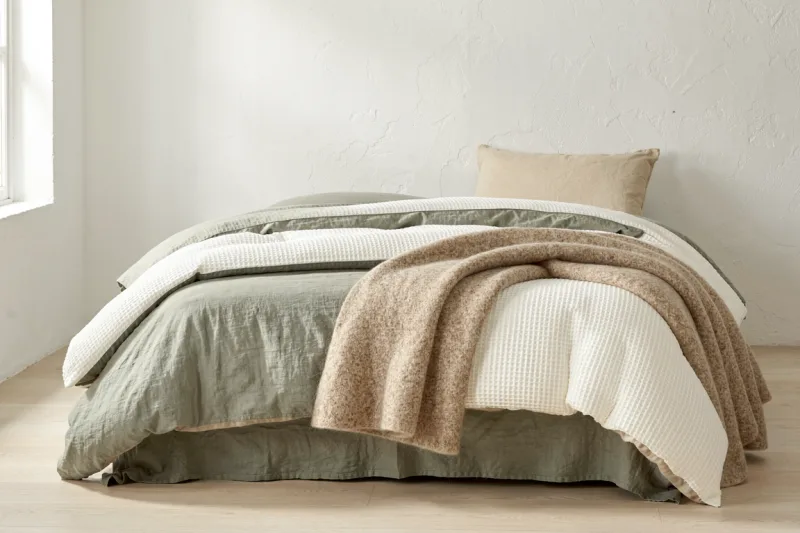
One thick duvet is the worst way to stay warm. Layers you can remove beat a single heavy blanket, for the same reason as with clothes.
The mistake is treating warmth as one decision — buy a thicker duvet, done. Bodies do not need a constant amount of insulation through the night, and rooms do not stay at one temperature. Layers let you adjust; a single 13.5 tog duvet does not.
The layers, from the mattress up
1. A wool or cotton topper
Underneath you, not on top. Most heat is lost downwards into a cold mattress, especially memory foam, which pulls warmth out of you for the first hour. A wool topper fixes this more effectively than anything you put on top, and it is the layer people forget.
2. The fitted sheet
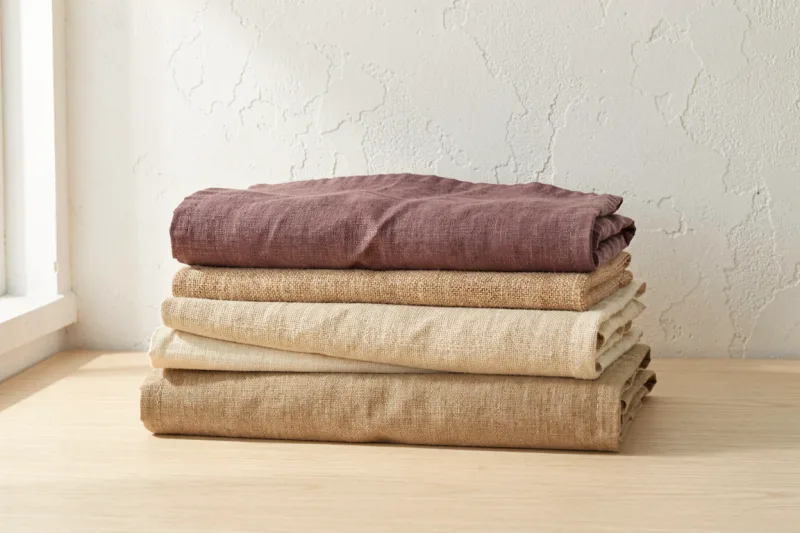
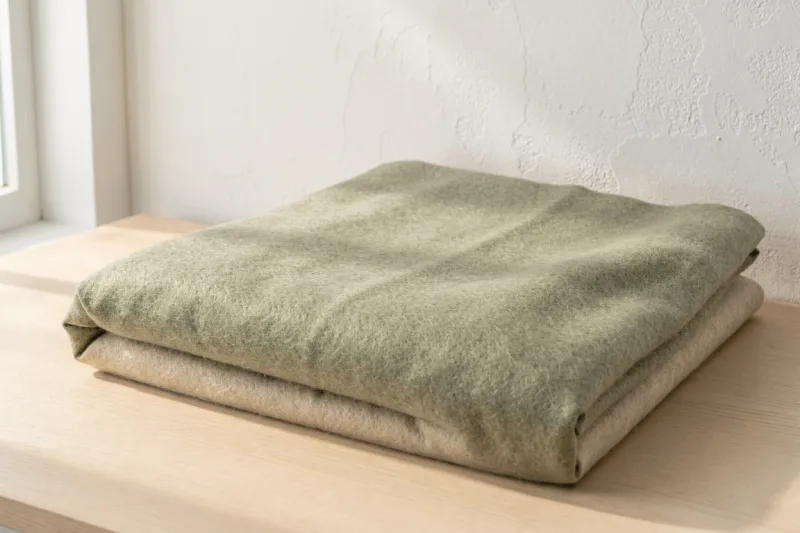
In winter this can do real work. Brushed flannel has a napped surface that traps a thin layer of warm air right against you — the difference between flannel and percale on a cold night is larger than most people expect. Linen also works: it insulates once warm, and it does not feel clammy.
3. A flat sheet
Skipped by most people now, and worth reconsidering in winter. It adds a genuine layer of insulation, it is the layer you can throw off at three in the morning without disturbing anyone, and it keeps the duvet cover clean for longer.
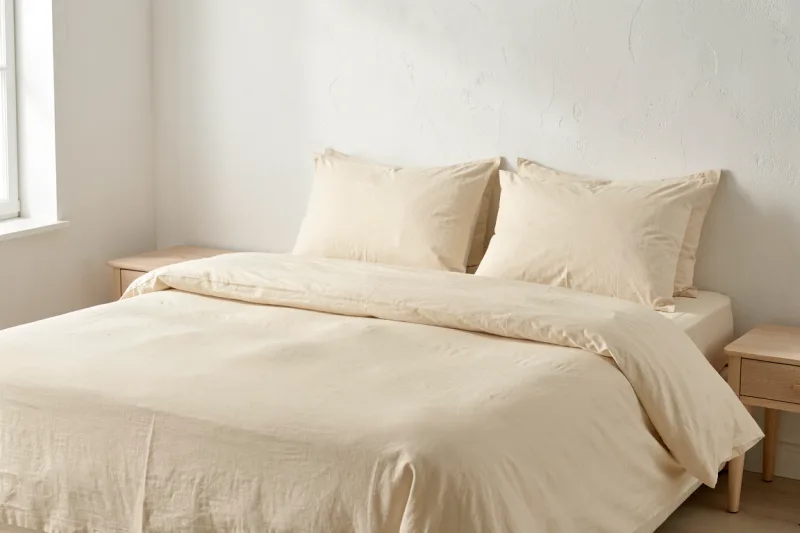
4. The duvet
A 7.5 to 10 tog is right for most heated bedrooms. Reach for 13.5 only if the room is genuinely cold — under about 15 °C.
Down is warmest for its weight; a good synthetic is nearly as good and washes better. Wool duvets are heavier and superb for people who overheat, because wool moves moisture instead of trapping it.
5. A blanket or throw across the foot
Not decoration, though it looks like it. Feet lose heat fastest and are the usual reason people wake up cold. A wool or waffle throw folded across the bottom third adds warmth exactly where it is needed and can be kicked off without unmaking the bed.
Two people, one bed, two temperatures
Two single duvets, each at the right tog, on one double bed. It is standard practice across Germany and Scandinavia and it solves the problem completely. Cover them in the same fabric and the bed still looks like one bed.
The room itself
16–18 °C is the range most people sleep best in. Warmer than 20 °C and you will overheat under any duvet worth having in December. It is cheaper to lower the thermostat and add a layer than to heat the room and then buy lighter bedding.
Airing still matters in winter
More, not less. Cold rooms hold less moisture in the air, so more of the half-litre you lose each night stays in the bedding. Pull the duvet back for twenty minutes in the morning and open a window while you do it.